Night guards protect teeth from grinding‚ easing muscle strain and TMJ pain. They fit over molars‚ cushioning impact and preventing wear. Proper fit reduces clenching‚ allowing jaw to relax. Follow dentist instructions for placement‚ wear‚ and cleaning to maintain effectiveness.
1.1 What to Expect from a Night Guard
When you first receive a night guard‚ your dentist will explain its purpose: to cushion the contact between your upper and lower teeth during sleep‚ thereby reducing the force of grinding and clenching. The appliance is custom‑molded to fit the shape of your bite‚ ensuring a comfortable fit that does not shift during the night. You will be instructed to wear it every evening‚ typically for 6–8 hours‚ and to remove it before meals or when you wake. Proper insertion involves placing the guard evenly over the molars‚ aligning it with the midline‚ and gently closing your mouth to allow the guard to seat fully. Removal is done by opening slightly and sliding the guard out‚ avoiding sudden jerks that could damage the device. After each use‚ rinse the guard with warm water‚ then brush with a soft toothbrush and mild soap or a denture cleaner to keep it free of plaque and odors. Store it in a clean‚ dry case when not in use. Regular check‑ins with your dentist will confirm that the guard remains well‑fitted; minor adjustments can be made to accommodate any changes in your bite or tooth wear. By following these guidelines‚ the night guard will provide lasting protection‚ reduce nighttime muscle tension‚ and help prevent further dental damage.
Sleep Bruxism and Its Effects
Night guards cushion teeth‚ reducing grinding damage‚ easing muscle strain‚ and preventing TMJ pain. Follow dentist’s fit‚ wear nightly‚ insert evenly‚ remove gently‚ clean with mild soap‚ and store dry. Regular checks keep protection optimal. Wear consistently for best results!!!??
2.1 Overview of Sleep Bruxism
Sleep bruxism is an involuntary jaw activity that occurs during sleep‚ causing teeth grinding or clenching. It can happen in brief bursts or continuously‚ often triggered by stress‚ misaligned bite‚ or sleep disorders. The condition may lead to tooth wear‚ enamel erosion‚ cracked or fractured teeth‚ and increased sensitivity. Muscles around the jaw can become overworked‚ resulting in soreness‚ headaches‚ and temporomandibular joint (TMJ) discomfort. Diagnosis typically involves a clinical exam‚ patient history‚ and sometimes overnight monitoring. Management focuses on reducing muscle activity and protecting teeth. A custom night guard‚ fitted by a dental professional‚ serves as a protective barrier that distributes forces evenly across the occlusal surfaces. By preventing direct contact between opposing teeth‚ it reduces wear and mitigates pain. Patients are advised to wear the guard nightly‚ insert it gently‚ and remove it with care. Proper hygiene—brushing‚ flossing‚ and cleaning the guard with mild soap—maintains oral health and guard longevity. Regular follow‑ups ensure the appliance remains effective and comfortable.
Patients should also keep the guard dry when not in use‚ store it in a protective case‚ and avoid chewing on it. If the guard shows cracks‚ discoloration‚ or a loss of fit‚ schedule a follow‑up appointment. Regular cleaning with soap and a brush will extend its life.!
2.2 Consequences of Teeth Grinding
Teeth grinding can erode enamel‚ create chips‚ and lead to fractures that may require crowns or fillings. Chronic clenching stresses the jaw muscles‚ causing soreness‚ stiffness‚ and headaches. The temporomandibular joint (TMJ) can become inflamed‚ producing clicking‚ locking‚ or limited movement. Over time‚ repeated force can alter bite alignment‚ resulting in malocclusion and uneven wear. Sensitivity to hot or cold foods may increase‚ and patients often experience a dull‚ persistent ache in the jaw area. Sleep quality can deteriorate due to discomfort‚ leading to daytime fatigue. Without intervention‚ these issues may progress‚ necessitating extensive restorative work‚ orthodontic treatment‚ or even surgical procedures. A properly fitted night guard can mitigate these effects by distributing forces and protecting the dentition. Patients may also notice a metallic taste‚ increased sensitivity to temperature‚ and difficulty chewing. The cumulative damage can lead to costly dental procedures such as crowns‚ root canals‚ or even orthodontic realignment. Long‑term bruxism may exacerbate existing TMJ disorders‚ causing joint noises and limited mouth opening. Moreover‚ the chronic muscle tension can trigger migraines or neck pain. Addressing the issue early with a night guard reduces the need for invasive treatments and improves overall well‑being. Consistent use of a night guard also helps prevent the progression of tooth sensitivity and reduces the risk of developing dental complications that compromise health for years!
What Is a Night Guard?
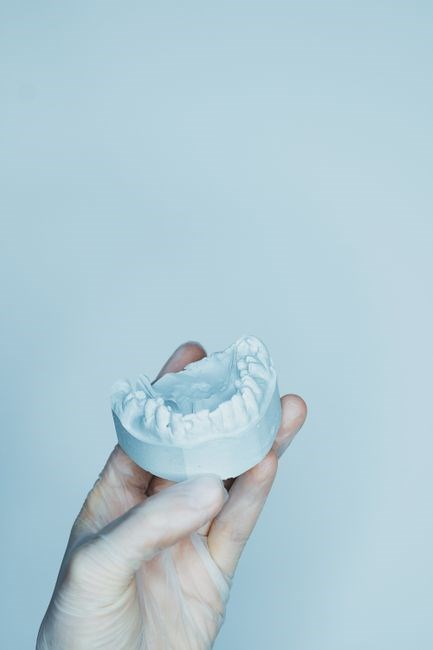
A night guard is a custom‑made‚ plastic appliance that fits over the upper or lower teeth. It cushions grinding forces‚ protects enamel‚ reduces muscle tension‚ and helps the jaw rest in a neutral position during sleep. Worn nightly it shields teeth.
3.1 Definition‚ Types‚ and Materials
Night guards are custom‑made oral appliances designed to protect teeth from nighttime grinding and clenching. They are fabricated from durable polymers that absorb impact‚ reduce muscle fatigue‚ and maintain a neutral jaw position during sleep. The most common types include:
- Hard (rigid) guards – made from high‑density acrylic‚ these provide maximum protection and are ideal for severe bruxism.
- Soft (flexible) guards – constructed from low‑density silicone or thermoplastic‚ they offer comfort for mild to moderate grinding.
- Dual‑layer guards – combine a soft inner layer with a hard outer shell‚ offering both cushioning and durability.
- Custom‑fit guards – created from a dentist‑taken impression‚ ensuring precise occlusion and comfort.
- Over‑the‑counter guards – pre‑molded or adjustable‚ these are less expensive but may lack perfect fit.
Materials vary from acrylic resin‚ polycarbonate‚ and silicone elastomers to hybrid composites. Acrylic offers strength and longevity‚ while silicone provides softness and easy cleaning. Polycarbonate blends flexibility with impact resistance. The choice depends on the severity of bruxism‚ patient comfort‚ and cost considerations. Proper selection and fitting are essential for optimal protection and long‑term oral health.
Purpose and Benefits of Night Guards
Night guards cushion teeth‚ reduce clenching‚ ease jaw pain‚ and prevent wear. They keep the jaw in a neutral position‚ lower muscle tension‚ and protect against fractures. Proper use improves sleep quality and oral health. daily.!!
4.1 Protecting Teeth‚ Muscles‚ and TMJ
Night guards act as a physical barrier that absorbs the force of nocturnal grinding. By distributing occlusal pressure evenly across the molars‚ they prevent localized enamel wear and reduce the risk of fractures. The appliance also limits the extent to which the jaw can close‚ keeping the temporomandibular joint (TMJ) in a more neutral position. This reduces joint loading and helps alleviate pain or clicking sounds that often accompany bruxism. Patients often report noticeable relief after just a few weeks of consistent use‚ and many find that their overall sleep quality improves‚ leading to better daytime functioning and reduced stress.
Muscularly‚ the guard interrupts the hyperactive contraction cycle of the masseter and temporalis muscles. When the appliance is worn‚ the muscles are forced to relax because the teeth cannot lock together tightly. Over time‚ this relaxation decreases muscle hypertrophy and the associated soreness that patients feel upon waking. A well‑fitted guard also prevents the over‑activation of the jaw’s proprioceptors‚ which can otherwise lead to chronic tension headaches. Additionally‚ the guard’s design allows for easy removal during the day‚ ensuring that patients can maintain oral hygiene without compromising the appliance’s effectiveness. Cleaning and checks help sustain optimal and lasting daily performance over time.
- Enamel preservation: reduces abrasion and attrition.
- TMJ protection: maintains joint alignment and reduces disc displacement.
- Muscle relief: lowers masseteric tension and decreases nocturnal clenching.
- Sleep quality: less jaw noise and fewer awakenings.

Receiving and Fitting Your Occlusal Guard
Initial setup involves a dental impression‚ followed by a trial fit. Adjustments are made to ensure even coverage and proper bite alignment. Once satisfied‚ the guard is finalized and insertion instructions are provided. Wear!
5.1 Initial Setup‚ Fit Assessment‚ and Adjustments
Before a night guard can protect your teeth‚ a precise dental impression is taken. The dentist records the shape of your upper and lower arches‚ noting any existing restorations or irregularities. Once the mold is made‚ it is sent to a laboratory where the guard is fabricated from a durable‚ biocompatible material such as polycarbonate or a silicone‑based composite. The finished appliance is then returned to the clinic for a trial fit. During this session‚ the dentist checks for proper coverage of the molars‚ verifies that the guard does not interfere with the natural bite‚ and ensures that the occlusal surfaces are even. If any high spots or gaps are detected‚ the guard is carefully adjusted—either by polishing or adding material to achieve a smooth‚ comfortable fit. The patient is asked to bite gently and hold the position for a few seconds‚ allowing the clinician to confirm that the guard remains stable and does not shift. Once the fit is satisfactory‚ the patient receives detailed instructions on how to insert‚ remove‚ and care for the appliance‚ ensuring optimal protection and longevity. Throughout the night‚ the guard remains a silent partner‚ absorbing the kinetic forces that would otherwise chip enamel‚ fracture cusps‚ or trigger jaw pain‚ thereby preserving the integrity of your smile for years to come. Remember to follow care guidelines. Ok
Night Guard Care and Usage Instructions
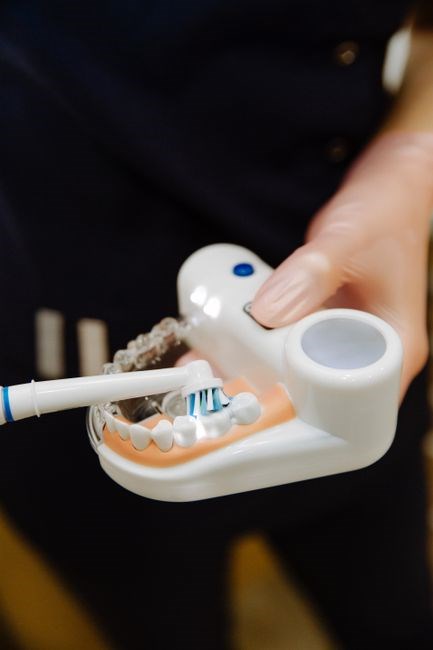
Wear the guard nightly‚ inserting evenly to ensure a snug fit. Remove by rinsing mouth with warm water for 10 s‚ taking it out. Clean with a soft brush and antibacterial soap; never eat with it in place. Follow dentists care tips.
6.1 Daily Wear‚ Insertion‚ and Removal Techniques
Insert your night guard at bedtime‚ ensuring it sits evenly over all contact points. Align the guard so the upper and lower teeth fit snugly‚ preventing any gaps that could cause uneven pressure. Keep the appliance in place for the entire night‚ unless advised otherwise by your dentist. To remove‚ rinse your mouth with warm water for ten seconds‚ then gently lift the guard from the teeth‚ taking care to keep the surface clean. Avoid chewing or biting on the guard while it is in place. After removal‚ rinse the guard with cool water‚ brush with a soft toothbrush and mild soap‚ and store it in a clean‚ dry container. Follow these steps daily to maintain optimal fit and prolong the life of your occlusal appliance. If you experience discomfort or notice any changes in fit‚ contact your dental professional promptly for assessment and adjustment. Proper daily wear‚ insertion‚ and removal techniques are essential for the effectiveness of the night guard and the protection of your teeth and jaw muscles. Remember to keep the guard dry when not in use‚ as moisture can promote bacterial growth. Store it in a ventilated case and replace it every 12 months or sooner if it shows signs of wear. Consistent use as directed will provide the best protection against nighttime grinding and help maintain oral health. Follow these guidelines for optimal results.
Maintenance and Cleaning Guidelines
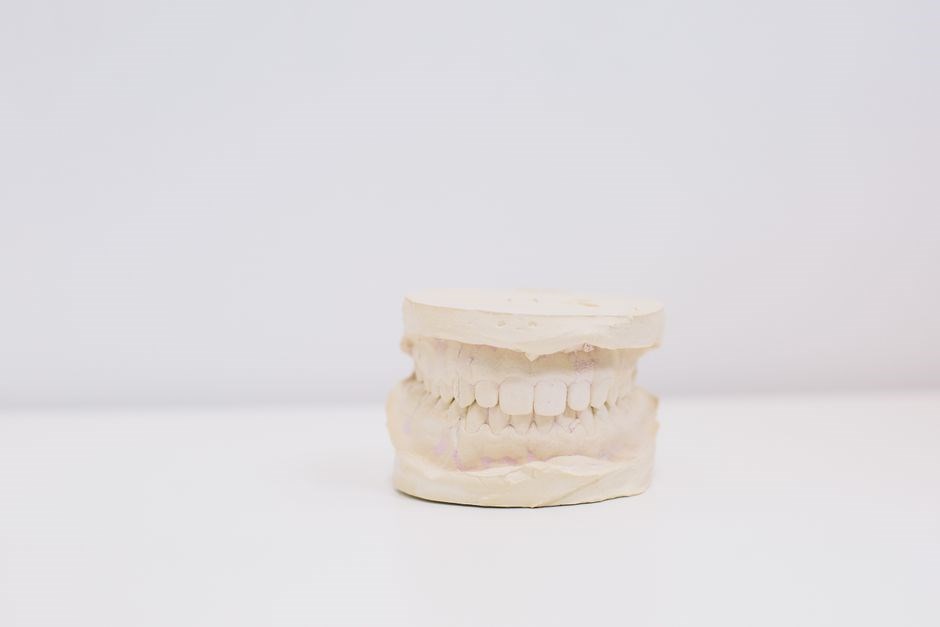
Clean nightly with a soft brush and mild soap. Rinse‚ dry‚ store in a ventilated case. Avoid food contact. Replace after 12 months or if worn. Follow dentist’s care instructions for longevity. Use a soft brush and mild soap. rinse.
7.1 Cleaning Methods‚ and Hygiene Precautions
Cleaning a night guard is essential to prevent bacterial buildup‚ odors‚ and material degradation. Follow these steps daily and weekly for optimal hygiene:
- Daily rinse: After each use‚ rinse the guard with lukewarm tap water for 30 seconds to remove saliva and debris.
- Brush gently: Use a soft‑bristle toothbrush and mild‚ non‑abrasive soap or a denture‑cleaning tablet. Brush all surfaces‚ including the inner and outer sides‚ for 30–45 seconds.
- Avoid harsh chemicals: Do not expose the guard to bleach‚ mouthwash‚ or alcohol‚ as these can weaken the polymer and cause discoloration.
- Weekly deep clean: Soak the guard in a denture‑cleaning solution or a mixture of 1 part vinegar to 4 parts water for 15 minutes. Rinse thoroughly afterward.
- Dry completely: Place the guard on a clean‚ dry towel or a ventilated case. Ensure it is fully dry before storage to prevent mold.
- Storage: Store in a ventilated‚ dust‑free case. Avoid plastic bags that trap moisture and encourage bacterial growth.
- Inspect regularly: Check for cracks‚ wear‚ or discoloration. Replace the guard if any of these changes occur.
Hygiene precautions also include:
- Wash hands before handling the guard.
- Never share your guard with others.
- Keep the guard away from pets and children.
- Replace the guard every 12 months or sooner if it shows signs of wear.
Consistent cleaning and proper storage will extend the life of the guard‚ maintain oral health‚ and ensure maximum protection against nighttime bruxism!!
Troubleshooting and Replacement Timing
Watch for cracks‚ looseness‚ discomfort If the guard longer fits pain persists‚ schedule a dentist visit Replace after12 months or sooner if material shows wear ensuring continued protection and comfort
8.1 Common Issues‚ Wear Signs‚ and When to Replace
Night guards‚ though durable‚ can develop cracks‚ soft spots‚ or become loose over time. Common problems include uneven wear on the occlusal surface‚ loss of fit that allows teeth to contact‚ and visible discoloration or warping. Signs that a guard needs replacement are:
- Visible fractures or chips that compromise protection.
- Persistent soreness or muscle tension despite wearing the guard.
- Difficulty inserting or removing the appliance because of altered shape.
- Loss of cushioning effect‚ leading to increased grinding sensations.
- Visible wear lines that indicate the guard has been used beyond its intended lifespan.
Most manufacturers recommend replacing a night guard every 12 to 18 months‚ or sooner if any of the above issues arise. Regular dental check‑ups help identify subtle changes early‚ ensuring the guard continues to provide effective protection and comfort.
When a guard shows any of these signs‚ schedule a dentist visit promptly. A professional assessment ensures that the replacement fits correctly and addresses any underlying issues. Remember‚ a well‑maintained guard not only protects teeth but also improves sleep quality and reduces daytime fatigue.
Store the guard in a cool dry case when not in use‚ avoid heat‚ as it can warp material and reduce effectiveness!