Pastor’s Manual for Funerals: A Comprehensive Guide
This resource equips pastors with essential guidance, offering practical tools and theological insights for navigating the sensitive realm of funeral ministry effectively.
I. Understanding the Pastoral Role in Grief & Loss
The pastoral role during times of grief extends far beyond officiating a service; it’s about embodying compassionate presence and offering genuine spiritual support. Pastors are uniquely positioned to walk alongside individuals and families experiencing profound loss, providing a safe space to express emotions without judgment.
Effective grief ministry requires acknowledging the multifaceted nature of sorrow – grief isn’t linear, and expressions vary widely. Understanding these nuances is crucial for providing tailored care. This section delves into the pastor’s responsibility as a comforter, emphasizing empathetic listening and validating feelings.
We will also explore the importance of establishing healthy emotional boundaries to protect both the pastor and the grieving family, alongside recognizing the diverse ways grief manifests – from anger and denial to acceptance and hope. Preparing for these varied responses is paramount.
A. The Pastor as Comforter
The core of the pastor’s role in funeral ministry is providing comfort – a tangible expression of God’s love and presence during immense pain. This isn’t about offering quick fixes or pat answers, but rather about being with those who grieve, offering a listening ear and a compassionate heart.
Genuine comfort stems from empathetic listening, truly hearing the stories, memories, and raw emotions shared by the bereaved. Avoid the temptation to interject with personal anecdotes or attempts to minimize their pain. Instead, validate their feelings, acknowledging the legitimacy of their sorrow.
Prayer offered with sensitivity and humility can be profoundly comforting. Remember that silence can be as powerful as words. A gentle touch, a warm embrace (when appropriate), and a consistent, supportive presence communicate more than any sermon ever could. Be a vessel of grace.
B. Navigating Emotional Boundaries
Funeral ministry is emotionally demanding, requiring pastors to maintain healthy boundaries for their own well-being and the benefit of the grieving family. It’s crucial to recognize that you cannot – and should not – attempt to absorb the family’s grief as your own.
Establish clear limits on your availability, communicating realistic expectations regarding phone calls, visits, and emotional support; While compassion is essential, avoid becoming overly involved or taking responsibility for their healing process. Self-care is paramount; prioritize rest, reflection, and spiritual renewal.
Recognize your limitations. If you feel overwhelmed or ill-equipped to handle the emotional intensity, seek support from colleagues or professional counselors. Refer families to grief counseling when appropriate. Maintaining professional distance allows you to offer more sustainable and effective care.
C. Recognizing Grief’s Diverse Expressions
Grief manifests uniquely in each individual; there is no “right” way to grieve. Pastors must be prepared to encounter a wide spectrum of emotional and behavioral responses. Some may exhibit profound sadness and weeping, while others may appear stoic or even angry.
Be aware of physical symptoms like fatigue, changes in appetite, and sleep disturbances, as these are common expressions of grief. Recognize that grief can be cyclical, with waves of intense emotion followed by periods of relative calm.
Cultural and personal factors significantly influence grieving processes. Avoid imposing your own expectations or judgments. Be sensitive to non-verbal cues and listen attentively, offering a safe space for individuals to express their feelings without interruption or criticism. Understanding this diversity is key to compassionate pastoral care.

II. Initial Contact & Family Meeting
Responding with empathy and timeliness is crucial upon learning of a death. A phone call offers a personal touch, expressing sincere condolences and offering support. Avoid clichés and simply acknowledge their pain.
Scheduling the initial meeting should be done with sensitivity, respecting the family’s immediate needs and preferences. Offer flexibility and a convenient location – often their home is best. Prepare to listen more than you speak during this first encounter.
The primary goal is to establish rapport and gather essential information. Gently inquire about the deceased’s life, funeral wishes (if any), and the family’s desires for the service. Be patient and understanding; this is an emotionally charged time for them.
A. Responding to the News of a Death
Immediate response matters deeply. When notified of a death, prioritize a prompt and compassionate reaction. A simple phone call, even before details are finalized, conveys heartfelt sympathy and availability. Avoid offering unsolicited advice or minimizing their grief.

Your initial words should be sincere and empathetic. Phrases like, “I am so sorry for your loss,” or “My heart goes out to you and your family,” are appropriate. Offer practical help – “Is there anything I can do right now?” – but respect their boundaries.
Resist the urge to fill the silence. Allow the family to share as much or as little as they are comfortable with. Active listening is paramount. Note key details, but focus on providing a comforting presence during this incredibly difficult moment.
B. Setting Up the First Meeting with the Family
Timing is crucial; offer the meeting soon after the initial notification, but respect the family’s immediate needs for privacy. A phone call to schedule is generally best, allowing them to prepare emotionally. Express your willingness to meet at their convenience – their home or the church.
Clearly state the purpose of the meeting: to offer support, discuss funeral arrangements, and gather information about their loved one. Reassure them you’ll guide them through the process, but ultimately, the decisions are theirs.
Prepare yourself emotionally and practically. Bring a notebook and pen to record details. Anticipate a range of emotions and be prepared to offer a calm, listening presence. Remember, this meeting is about them, not about delivering a pre-planned agenda.
C. Gathering Essential Information (Deceased’s Life, Wishes)
Begin with biographical details: full name, date and place of birth, residence, occupation, and significant life events. Inquire about pre-arranged funeral plans – were there any specific wishes regarding the service, burial, or cremation? Ask about preferred scriptures, hymns, or readings that held meaning for the deceased.

Explore their personality and passions: What were their hobbies, interests, and defining characteristics? Gather stories and anecdotes that paint a picture of who they were. Family members may offer differing perspectives, which can enrich the eulogy.
Respectfully inquire about the relationship with faith. Was the deceased actively involved in a church or spiritual community? Document all information carefully, ensuring accuracy for the service and family records.
III. Funeral Service Planning – Practical Logistics
Coordination is key: This phase demands meticulous attention to detail, balancing the family’s wishes with logistical realities. Confirm the chosen date and time with the funeral home and key participants. Secure the venue – church sanctuary, chapel, or graveside location – and ensure its availability.
Develop a detailed order of service outlining each element, from the opening prayer to the committal. Confirm music selections with the musicians or sound technician, providing sheet music or recordings. Finalize scripture readings and assign readers.
Communicate clearly with the funeral director regarding all arrangements, including transportation, flowers, and memorial materials. Prepare any necessary printed programs and ensure sufficient copies are available.
A. Choosing a Date, Time, and Location
Sensitivity and practicality guide this process. Begin by discussing potential dates with the immediate family, considering their needs and preferences, alongside the funeral home’s availability. Weekdays often offer greater flexibility, but weekend services may accommodate wider attendance. Time of day should also be discussed – morning or afternoon services are common.
Location options typically include the church sanctuary, a funeral home chapel, or a graveside service. The deceased’s wishes, if known, should be prioritized. Consider accessibility for those with mobility issues. Ensure the chosen location can comfortably accommodate the anticipated number of attendees.
Confirm all bookings with the relevant parties and clearly communicate the finalized date, time, and location to the family and involved personnel.
B. Coordinating with Funeral Home & Other Professionals
Effective collaboration is crucial. Establish clear communication with the designated funeral home director early in the planning process. Discuss the service’s logistical needs, including setup, audio-visual requirements, and any specific requests from the family. Confirm the order of service and ensure alignment between the pastor’s role and the funeral home’s schedule.
Other professionals, such as musicians, soloists, or readers, may require coordination. Obtain their contact information and confirm their availability. Clearly communicate expectations regarding their participation. If a reception follows the service, coordinate with those responsible for its arrangements.
Maintain open communication throughout the process to address any unforeseen challenges and ensure a seamless and respectful service.

C. Music Selection & Readings
Thoughtful selection enhances the service’s emotional impact. Collaborate with the family to choose music and readings that reflect the deceased’s personality, faith, and life experiences. Hymns offering comfort and hope are often appropriate, alongside potentially favorite songs of the departed. Ensure all musical selections align with the overall tone and theological message;
Scripture readings should offer solace and point towards the promise of eternal life. Consider passages about resurrection, peace, and God’s unwavering love. Offer the family a curated list of suitable options, allowing them to personalize the service. Be prepared to explain the meaning and relevance of chosen texts.
Respectful consideration of the family’s preferences is paramount, balancing their wishes with theological appropriateness.
IV. Crafting the Funeral Message
The funeral message is a pivotal moment to offer hope and proclaim the Gospel. Ground your message in a solid theological framework centered on resurrection and eternal life, acknowledging grief while firmly pointing to God’s enduring love and promise of comfort. Avoid clichés and strive for authenticity.
Personalizing the eulogy is crucial. Gather stories and anecdotes from family and friends to paint a vivid picture of the deceased’s life, character, and impact. Highlight their faith, passions, and contributions. Balance celebrating their life with acknowledging the pain of loss.
Maintain sensitivity, avoiding overly sentimental or judgmental tones. Offer genuine empathy and a message of hope that transcends sorrow, reminding attendees of God’s grace and peace.
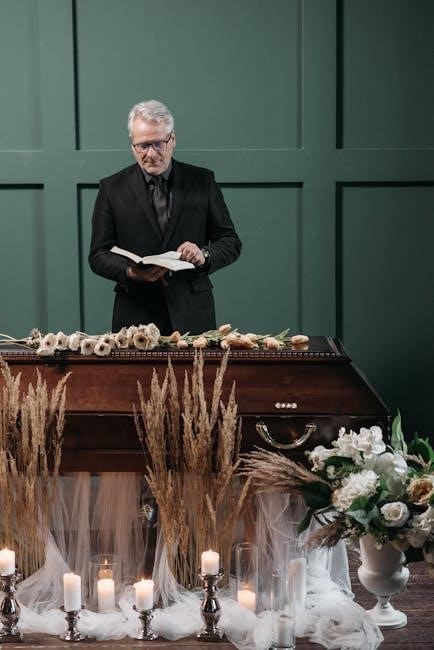
A. Understanding the Theological Framework (Hope, Resurrection)
A robust theological foundation is paramount when delivering a funeral message. Center your sermon on the Christian hope of resurrection – not merely as a future event, but as a present reality empowered by Christ’s victory over death. Emphasize God’s character as a compassionate comforter, intimately involved in the suffering of humanity.
Explore biblical passages that speak to life’s fragility and God’s faithfulness (Psalm 23, Romans 8:38-39, 1 Corinthians 15). Address the reality of grief without minimizing it, but always redirect towards the assurance of eternal life through faith in Jesus Christ.
Avoid simplistic answers or platitudes. Acknowledge the mystery of death while confidently proclaiming the hope offered in the Gospel.
B. Personalizing the Eulogy – Remembering the Deceased
A meaningful eulogy transcends generic praise; it paints a vivid portrait of the individual’s life. Collaborate closely with the family to gather stories, anecdotes, and defining characteristics. Focus on their passions, relationships, and contributions – both large and small – to the lives of others.
Highlight their unique personality, quirks, and the impact they had on their community. Share specific examples that illustrate their faith, kindness, or resilience. Be sensitive to potential complexities or difficult aspects of their life, presenting them with grace and understanding.
Balance remembrance with reverence, ensuring the eulogy honors God alongside the deceased. Aim for authenticity and heartfelt sincerity, allowing the family to feel truly seen and understood.
C. Balancing Grief with Gospel Truth
Funerals are profoundly emotional events, and acknowledging the raw pain of loss is paramount. Avoid minimizing grief or offering platitudes; instead, create space for genuine sorrow and lament. However, pastoral care demands more than simply validating feelings.
Gently weave in the hope of the Gospel – the promise of resurrection and eternal life in Christ. Remind mourners that death is not the final word, and that God’s love extends even into the darkest valleys. Present a theological framework that acknowledges suffering while pointing towards ultimate redemption.
Balance empathy with truth, offering comfort without compromising biblical integrity. The message should be both compassionate and Christ-centered, offering lasting hope amidst present sorrow.
V. Specific Service Elements & Rituals
The funeral service itself is a sacred opportunity to offer comfort and proclaim God’s grace. Careful consideration should be given to each element, ensuring they contribute to a meaningful and reverent experience. Traditional components – prayers, scripture readings, hymns, and a eulogy – provide a familiar structure for mourners.
However, personalization is key. Collaborate with the family to incorporate elements that reflect the deceased’s life, faith, and personality. Consider symbolic rituals, such as lighting a candle or releasing doves, to represent hope and remembrance. The committal service at the graveside offers a final moment of farewell.
Each element should be thoughtfully planned, contributing to a service that honors the deceased and offers solace to the bereaved.
A. The Opening Prayer & Welcome
The opening moments of the funeral service set the tone for all that follows. A warm and compassionate welcome acknowledges the pain of those gathered, creating a safe space for grief and remembrance. The initial prayer should directly address God, acknowledging His presence even in sorrow, and seeking His comfort for the bereaved.
It’s crucial to balance acknowledging loss with affirming hope in the resurrection. Briefly state the purpose of the gathering – to celebrate the life of the deceased and commend their spirit to God. Avoid clichés; sincerity and heartfelt emotion are paramount.
A well-crafted welcome and prayer can offer immediate solace and establish a foundation of faith for the service ahead, reminding attendees of God’s unwavering love.

B. Scripture Readings – Relevant Passages
Carefully selected Scripture passages offer profound comfort and theological grounding during a funeral service. Psalm 23 remains a timeless favorite, portraying God as a Shepherd who guides and protects. John 14:1-6, with its promise of a prepared place in heaven, offers hope beyond grief. Romans 8:38-39 assures believers of God’s unwavering love, even in death.
Consider 1 Corinthians 15:55-57, celebrating the victory over death through Christ. Revelation 21:4 paints a beautiful picture of a future free from sorrow and pain. Ecclesiastes 3:1-4 acknowledges the seasons of life, including death, as part of God’s plan.
Choose readings that resonate with the deceased’s faith and offer genuine comfort to the family. Brief introductions to each passage can enhance understanding and impact.
C. Hymn Selection – Comforting & Hopeful Choices
Hymns provide a powerful avenue for communal expression of faith and grief during a funeral service. “Amazing Grace” offers a message of redemption and hope, resonating with many. “It Is Well With My Soul” embodies trust in God amidst suffering, providing solace to the bereaved. “Be Thou My Vision” expresses a longing for God’s presence and guidance.
“How Great Thou Art” celebrates God’s majesty and creation, reminding us of His enduring power. “The Old Rugged Cross” focuses on Christ’s sacrifice and the promise of salvation. “I Know That My Redeemer Lives” affirms the resurrection and eternal life.

Consider the deceased’s favorite hymns or those that reflect their spiritual journey. Ensure the congregation can readily participate in singing, fostering a sense of unity and comfort.
D. The Committal Service (Graveside)
The committal service marks the final farewell, acknowledging the physical reality of death and affirming faith in eternal life. Keep the service brief and focused, typically lasting no more than ten to fifteen minutes, considering weather conditions and emotional sensitivities.
A short scripture reading, such as Psalm 23 or a passage about resurrection, offers comfort and hope. A simple prayer commends the deceased to God’s care and offers solace to those remaining. Words of commendation, acknowledging the deceased’s life and faith, can be deeply meaningful.
Avoid lengthy sermons or eulogies at the graveside. The focus should be on peaceful closure and trust in God’s promises. Offer a final blessing upon the family and those gathered, reinforcing God’s presence and love.
VI. Addressing Unique Situations
Certain circumstances demand heightened sensitivity and pastoral care. Funerals for children require immense compassion, acknowledging the profound loss and offering hope to grieving parents and siblings. Focus on God’s loving embrace and the promise of eternal life in heaven.
Funerals following suicide present complex emotions – grief, guilt, and societal stigma. Offer unconditional support, avoiding judgment and emphasizing God’s grace and forgiveness. Encourage professional counseling for those struggling with intense emotions.
When dealing with unclaimed remains, prioritize dignity and respect. Coordinate with local authorities to ensure a respectful memorial service, even without family involvement. Remember that every life has value in God’s eyes, deserving of remembrance and honor.
A. Funerals for Children
The death of a child is arguably the most heartbreaking experience a family can endure. Pastoral sensitivity is paramount; acknowledge the unique pain and shattered dreams. Avoid clichés and offer genuine empathy, allowing space for raw grief. Focus the service on the child’s innocence and the hope of eternal life with Christ.
Consider the age of surviving siblings when planning the service. Younger children may need simpler explanations and opportunities for expression through art or storytelling. Involve family members in selecting readings and music that reflect the child’s personality.
Be prepared to offer ongoing support to parents navigating unimaginable loss. Connect them with support groups and grief counseling resources. Pray for God’s comfort and healing, reminding them of His unwavering love and presence during this darkest hour.
B. Funerals Following Suicide
Funerals after suicide present unique pastoral challenges, demanding immense sensitivity and theological wisdom. Avoid judgment and offer unconditional love to the grieving family, recognizing the complex emotions involved – grief, guilt, shame, and anger. Acknowledge the pain without glorifying the act or offering simplistic explanations.
Collaborate closely with mental health professionals and encourage family members to seek counseling. Focus the service on the deceased’s life, highlighting positive memories and their inherent worth as a child of God. Emphasize God’s grace and forgiveness, offering hope amidst despair.
Be prepared to address the stigma surrounding suicide and offer a safe space for honest conversation. Pray for healing and restoration for all those affected, reminding them of God’s unwavering love and compassion. Provide resources for suicide prevention and mental health support.
C. Unclaimed Remains & Memorial Services
Dealing with unclaimed remains requires compassionate action and adherence to legal protocols. Often, these individuals lacked close family ties or resources for a traditional funeral. The church can offer a dignified memorial service, acknowledging the inherent worth of every human life, created in God’s image.
Coordinate with local authorities and the medical examiner to understand the legal requirements for disposition. Advocate for a respectful burial or cremation, even in the absence of family involvement. A simple service can include scripture readings, prayers, and a moment of silence to honor the deceased.
Consider a communal memorial service for multiple unclaimed individuals, offering a collective expression of grief and remembrance. This act of compassion reflects the church’s commitment to caring for the marginalized and vulnerable. Document all proceedings carefully and maintain respectful communication with relevant agencies.
VII. Post-Funeral Support & Grief Resources
The pastor’s role extends far beyond the funeral service itself; sustained support is crucial for navigating the long journey of grief. Initial follow-up visits, within the first week and then monthly for several months, demonstrate genuine care and provide a safe space for sharing emotions.
Actively listen without judgment, allowing family members to express their pain, anger, or confusion. Offer practical assistance – meals, errands, or childcare – to alleviate burdens during a vulnerable time. Be mindful of grief’s unpredictable nature; anniversaries and holidays can trigger renewed sorrow.
Connect families with reputable grief counseling services and support groups within the community. Provide resources like books, articles, or websites offering guidance on coping with loss. Remember long-term pastoral care, checking in periodically to offer encouragement and remembrance, fostering healing and hope.

A. Follow-Up Visits with the Family
Initial visits, ideally within 72 hours and again within a week, demonstrate immediate pastoral care and offer a listening ear. These aren’t about offering solutions, but simply being present with their pain. Keep these first visits brief and focused on the family’s needs – avoid lengthy theological discussions.
Subsequent visits should be scheduled, not just spontaneous, showing commitment to ongoing support. A month after the funeral is a critical time, as initial support wanes and the reality of loss sets in. Ask open-ended questions like, “How are you coping day-to-day?” or “What’s been the hardest part?”
Be sensitive to cues; if they seem overwhelmed, shorten the visit. Offer practical help – connecting them with resources or offering to assist with tasks. Remember, consistency is key; regular check-ins, even brief ones, communicate enduring care and support during their grief journey.
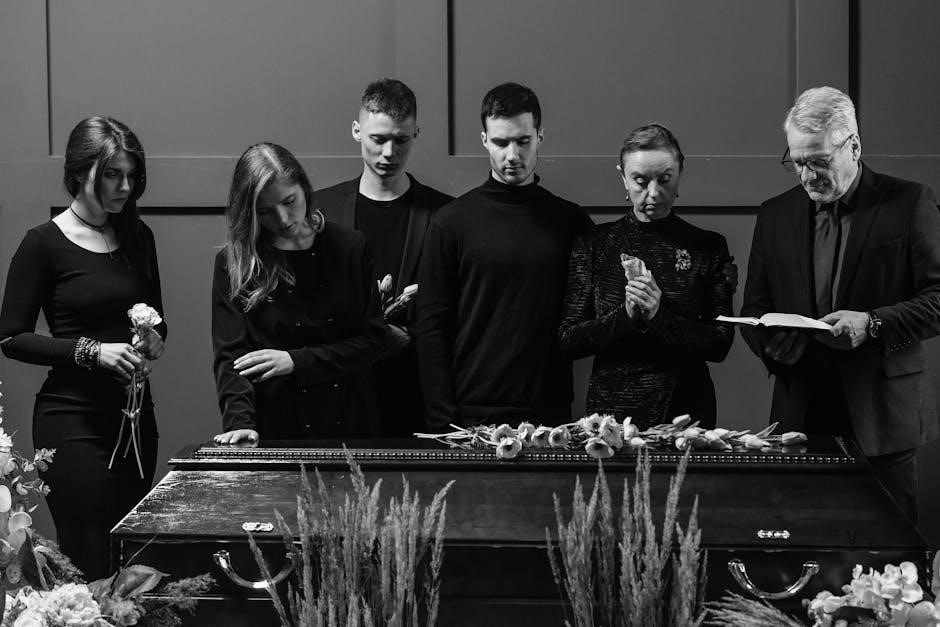
B. Connecting Families with Grief Counseling
Recognize that pastoral care has limits; professional grief counseling is often essential for complex or prolonged grief. Don’t hesitate to suggest it – framing it as a supportive step, not a sign of weakness. Have a vetted list of qualified therapists and grief support groups readily available. Include options with varying fees and specializations.
Be prepared to explain the benefits of counseling – providing a safe space to process emotions, develop coping mechanisms, and navigate the grieving process. Normalize seeking help; emphasize that it’s a healthy response to loss. Offer to facilitate the initial contact if the family is hesitant.
Consider local hospice organizations, which often provide bereavement services. Also, explore online resources like griefshare.org. Follow up to see if they’ve connected with a counselor, demonstrating continued care and concern for their well-being.
C. Long-Term Pastoral Care & Remembrance
Grief doesn’t adhere to timelines; ongoing pastoral support is crucial long after the funeral. Schedule regular check-ins – phone calls, visits, or emails – particularly around anniversaries and holidays, which can be intensely painful. Be a consistent presence, offering a listening ear and a compassionate heart.
Encourage continued participation in church life, but respect their pace and boundaries. Facilitate opportunities for remembrance – a memorial service on a significant date, or including the deceased’s name in prayers. Help them find healthy ways to honor their loved one’s memory.
Be mindful of potential secondary losses – changes in family dynamics, financial strain, or health concerns. Connect them with resources addressing these needs. Pray for them consistently, and remind them of God’s enduring love and comfort throughout their journey.